

 Home
HomeSDIAT Hosts the 2026 Summer Science Camp
Release date: 2026-08-08
Visits: 134
Source: 山东高等技术研究院
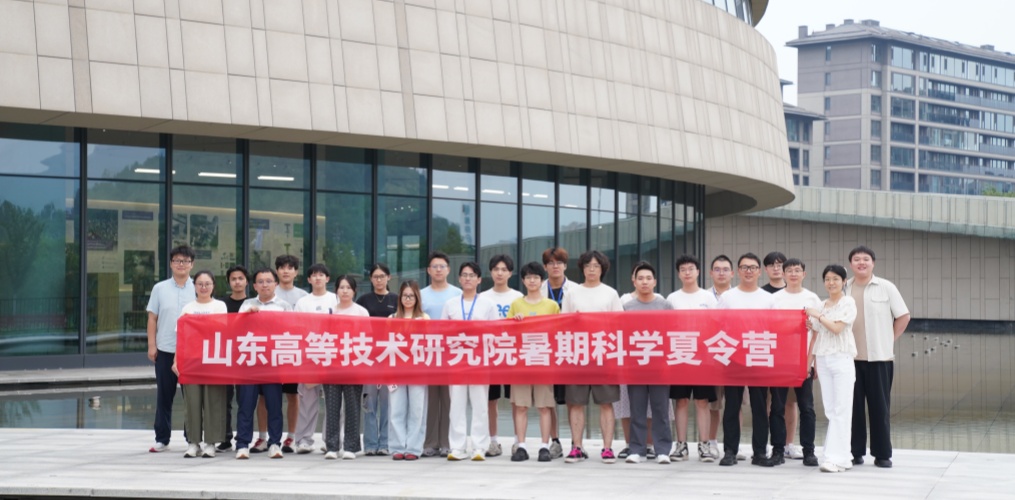
From July 18 to 30, Shandong Institute of Advanced Technology (SDIAT) held its 2026 Summer Science Camp. More than 30 university and high‑school students from across China, including Hong Kong and Macao, gathered by the Gaoyan Lake with aspirations for scientific research. Drawing on core research fields such as thermal science, cryogenic experiments and particle physics, they embarked on a summer journey of hands‑on scientific practice.
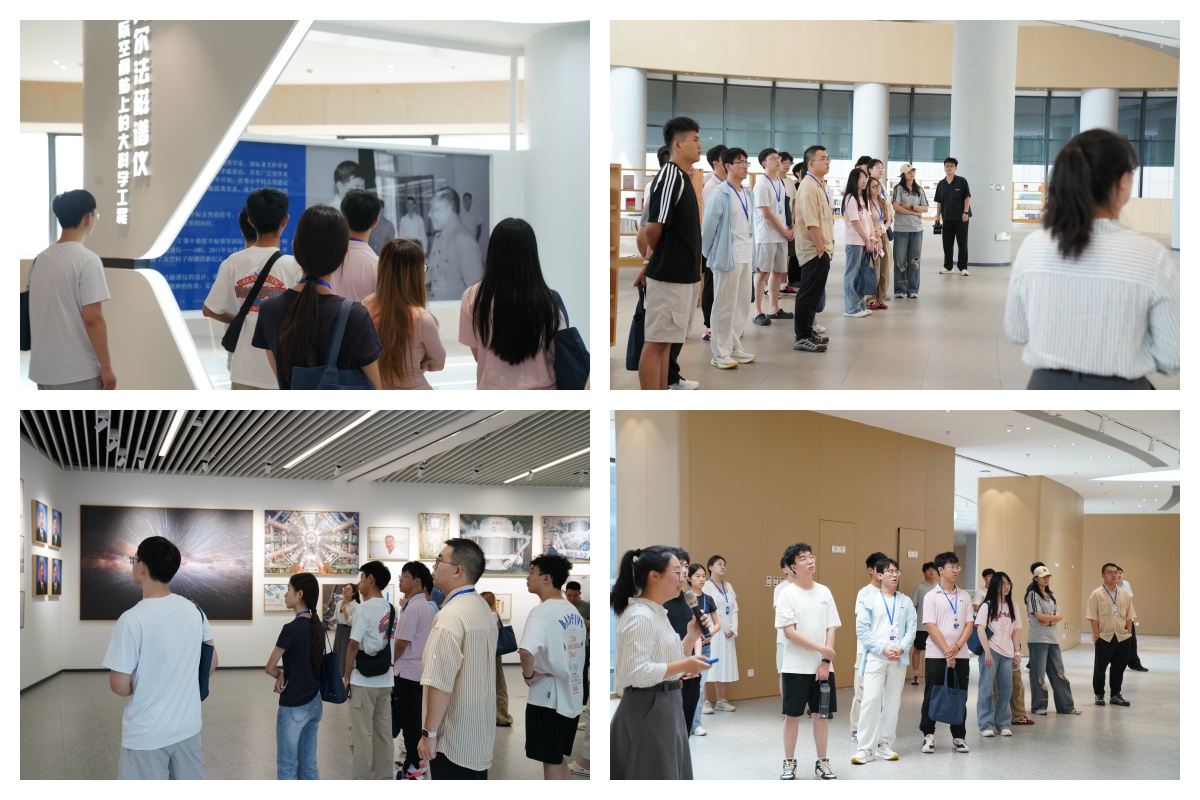
At the camp opening, Zheng Cui, Member of the Party Committee of Shandong Institute of Advanced Technology, delivered the inaugural lecture for all participants, sharing insights on major scientific projects aboard the International Space Station. Over the subsequent ten days, students engaged in diverse activities including popular‑science exhibitions, frontier academic seminars, open‑lab days, open research group meetings, hands‑on experimental training and academic salons to cultivate scientific thinking and experience real‑world research life.
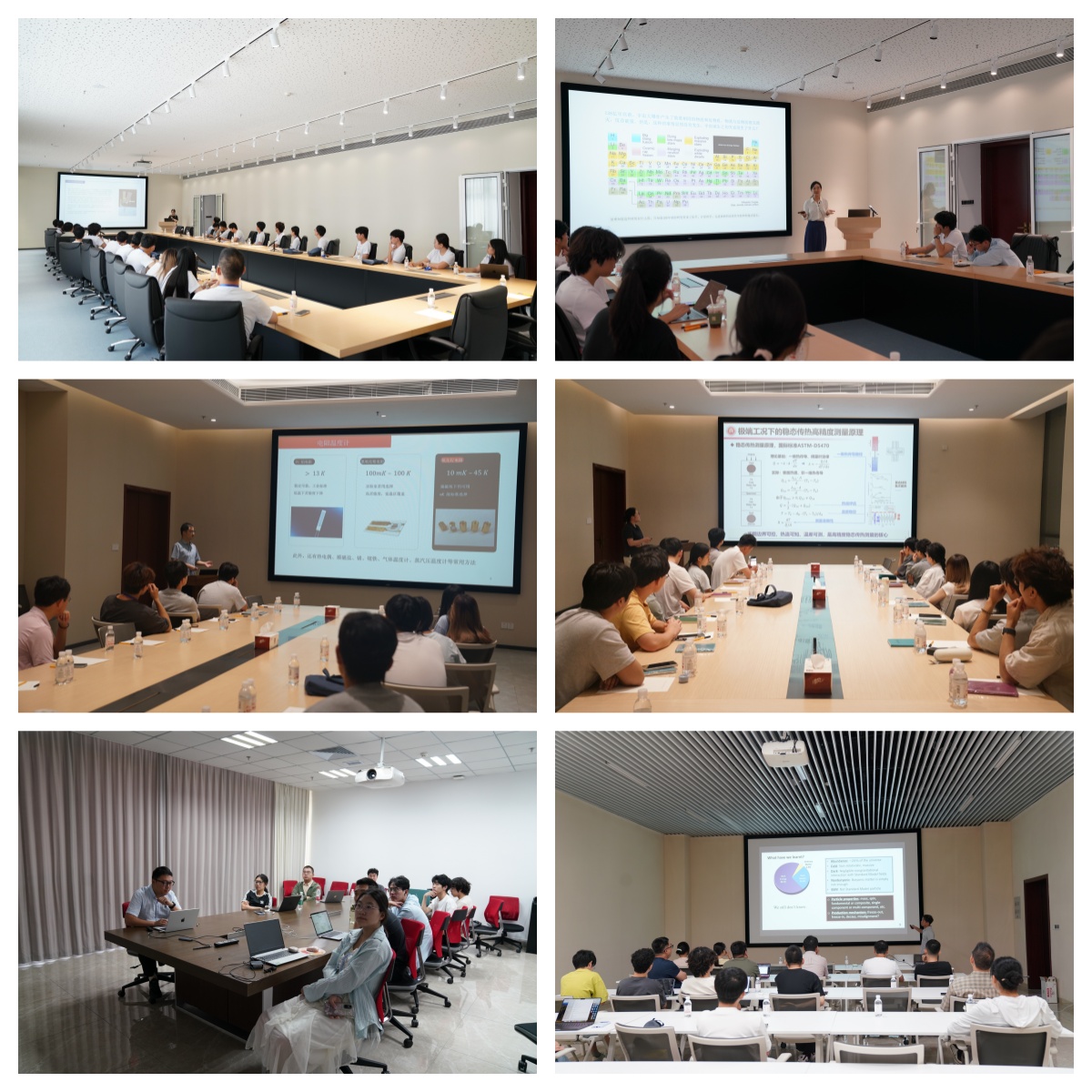
During academic sharing sessions, scholars delivered in‑depth interpretations covering frontier theories and engineering practices, focusing on high‑precision measurement of AMS cosmic‑ray energy spectra, space‑radiation forecasting and early warning, research on ultra‑low‑temperature heat‑transfer mechanisms, and studies for the International Thermonuclear Experimental Reactor (ITER). Combining story‑telling, keynote speeches and case studies, they fostered interactive, mutually‑enriching exchanges with students. Participants gained profound insights into scientific principles and the appeal of research, and learned how fundamental research translates into support for major national engineering projects.
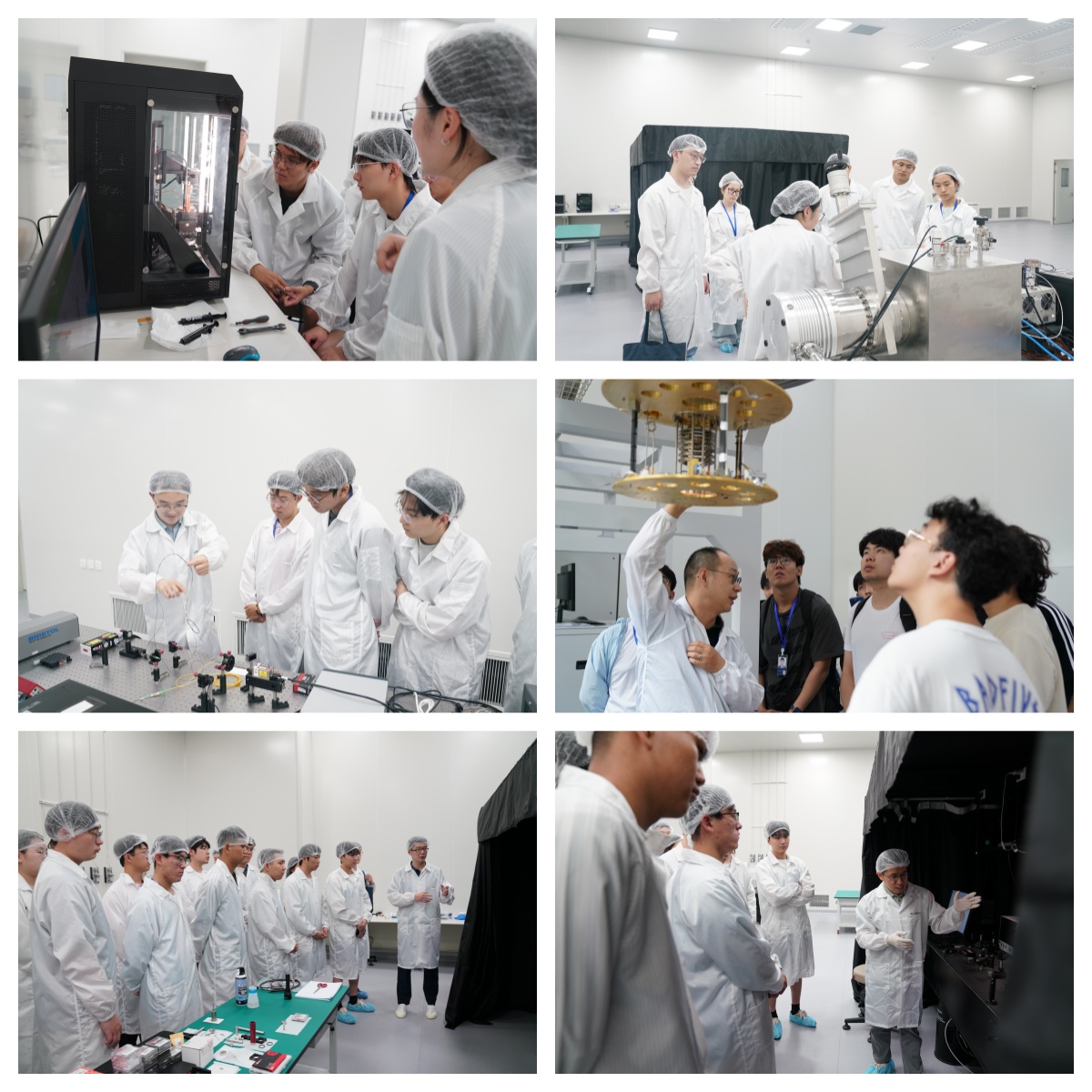
At open‑lab days and open‑group‑meeting sessions, students gained immersive access to research platforms including precision low‑temperature measurement, precision heat‑transfer measurement, cryogenic experiments, digital‑twin experiments and material‑structure measurement, as well as the AMS main control room. They observed millikelvin‑level ultra‑low‑temperature experimental set‑ups up close, and learned about the operation and application of femtosecond‑laser time‑domain thermoreflectance measurement, single‑photon microscopic temperature measurement, advanced detector and electronics experiments, TES focal‑plane detectors and atomic‑force microscopes. They experienced the full workflow of cosmic‑ray data: capture in space, remote transmission and simulation‑based analysis. Under faculty guidance, students also took practical research courses covering the Linux system, ROOT data analysis, C++ programming and AI‑Agent‑driven analytics.
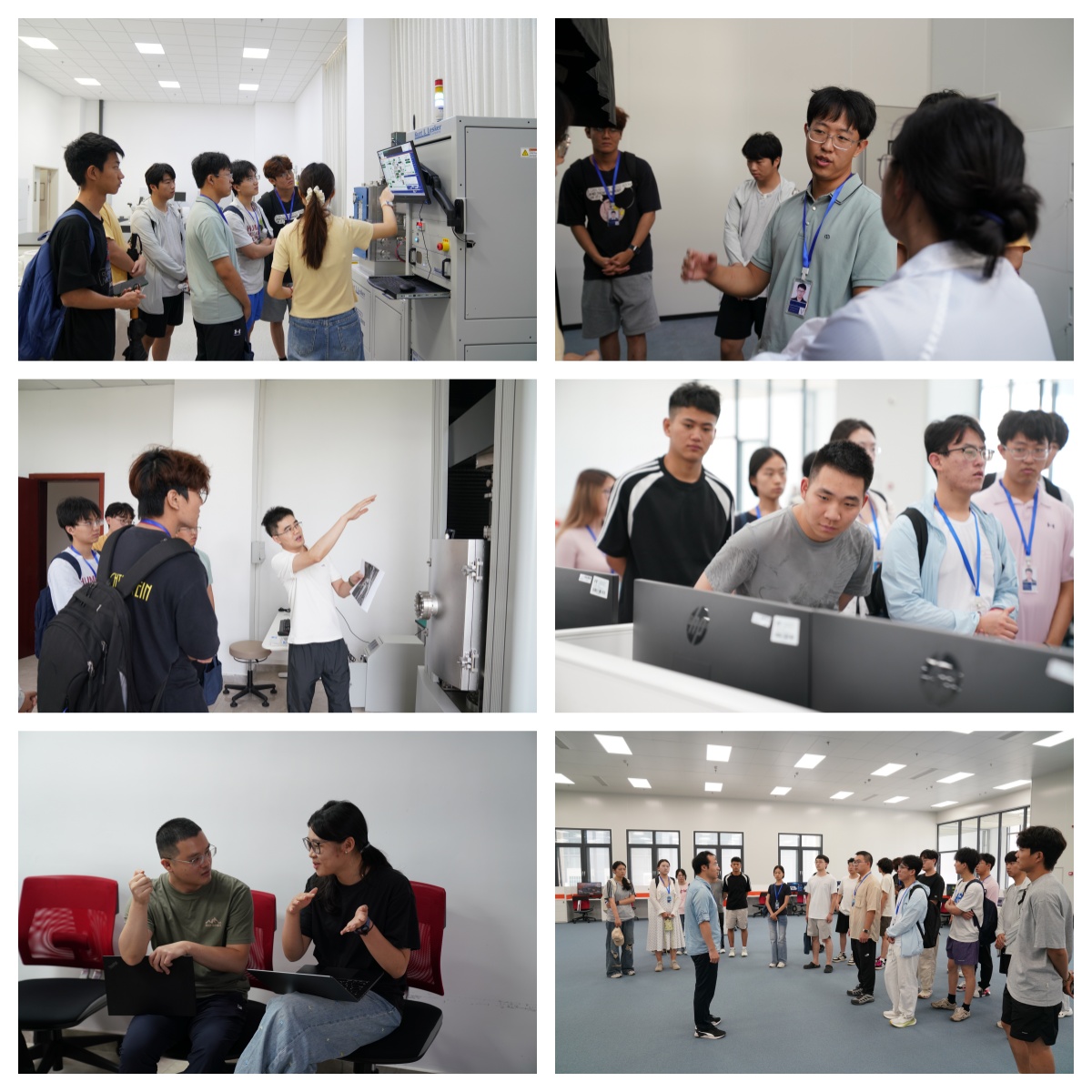
Beyond intensive academic sessions, the camp featured varied academic salons and recreational activities, building a zero‑distance communication platform for young researchers, graduate students, international students and camp participants. Scholars and doctoral candidates of diverse ages and cultural backgrounds held in‑depth discussions with students on the diversification, internationalization and long‑term nature of scientific research. They shared research perspectives and personal experiences shaped by their own backgrounds, and explored distinctive modes of thinking across different disciplines.
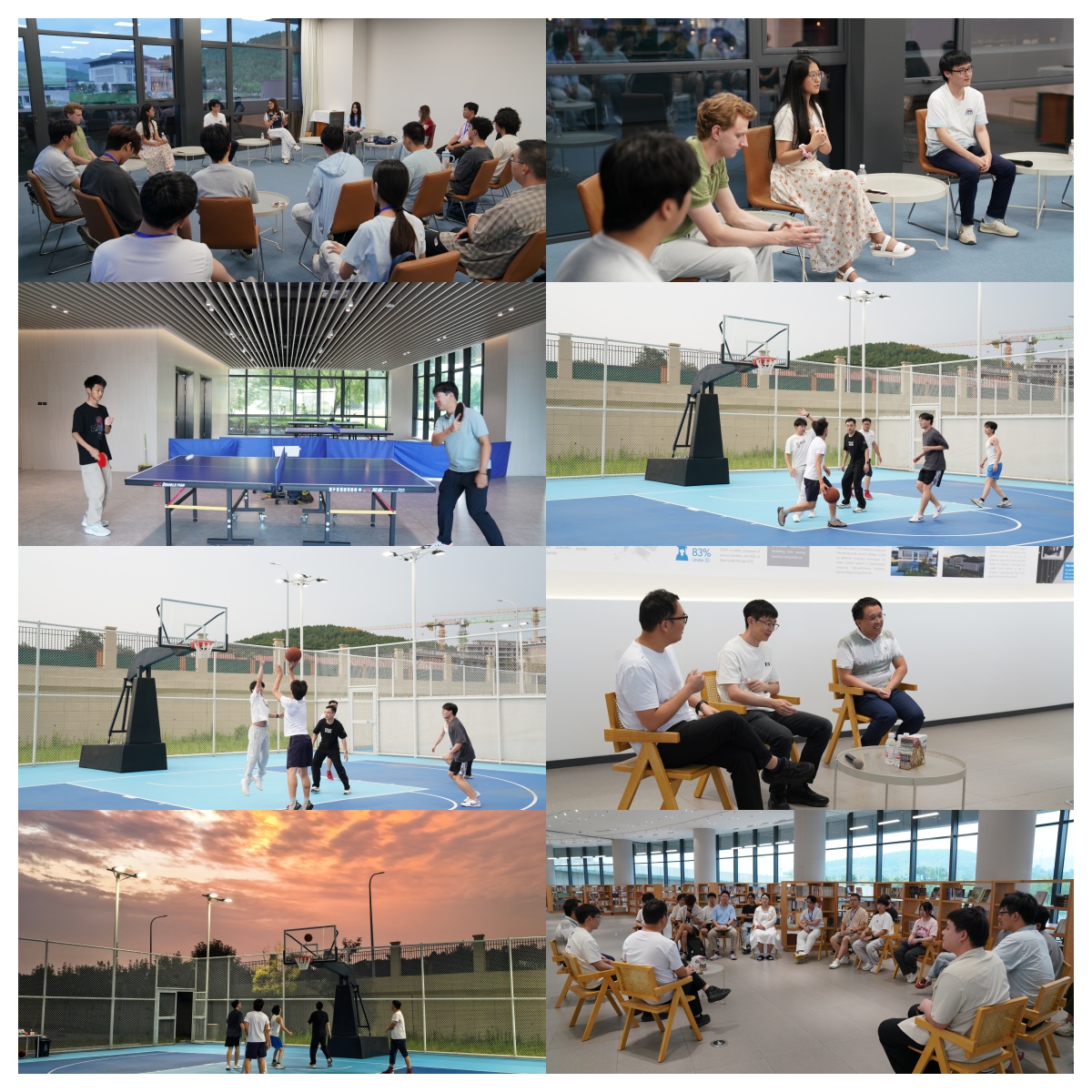
At the closing ceremony, students reflected on their rewarding camp experience and spoke highly of the institute’s serene, welcoming and rational academic atmosphere. They broadened their horizons, acquired new knowledge, and connected with dedicated mentors and peers. For many, this was their first chance to step beyond textbook theories, enter real laboratories and engage directly with science. They learned about the long‑cycle research‑and‑development process behind international megascience projects and large‑scale advanced scientific facilities. Working alongside front‑line researchers, they operated precision experimental instruments, familiarized themselves with research workflows, and internalized the core spirit of scientific work: rigor, critical questioning and open‑minded exploration. Their resolve to pursue frontier fundamental‑science research has been strengthened. Many pledged to pursue steady‑going personal growth and contribute youthful energy toward achieving high‑level self‑reliance in science and technology.