


 Home
Samuel C. C. Ting Laboratory Hosts Frontiers Symposium on Thermal Science under Extreme Conditions
Release date: 2026-11-10
Visits: 1
Source: 山东高等技术研究院
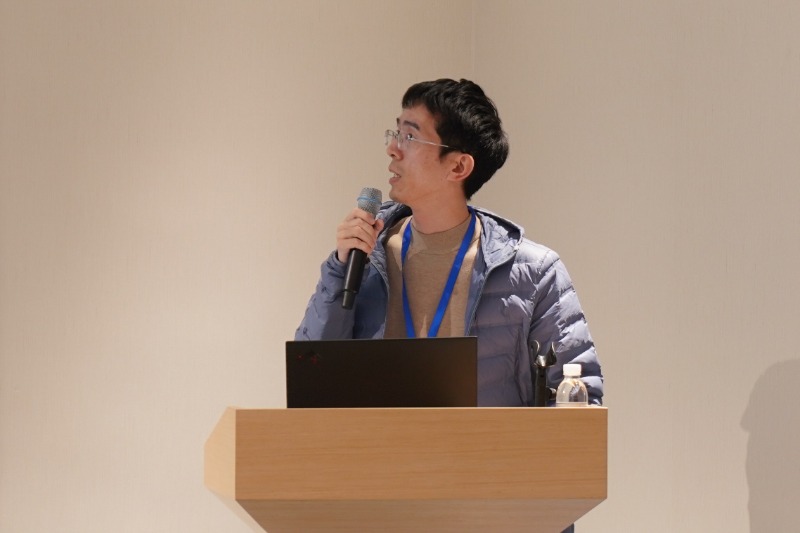
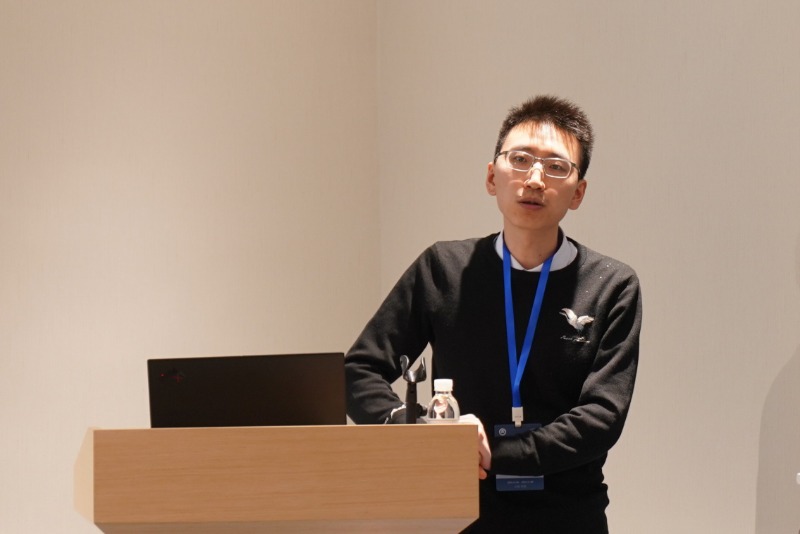
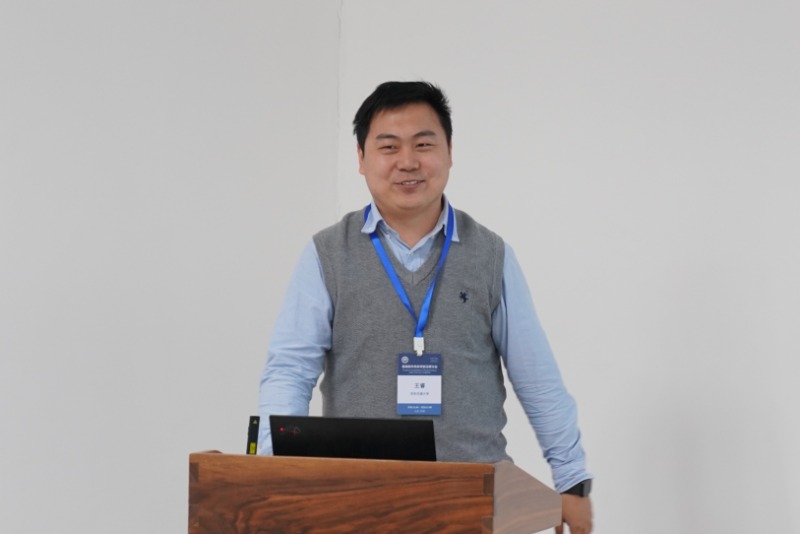
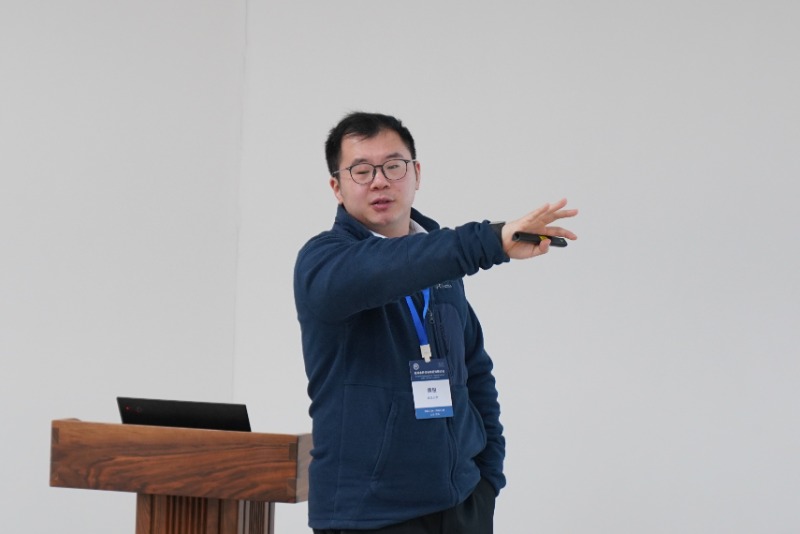
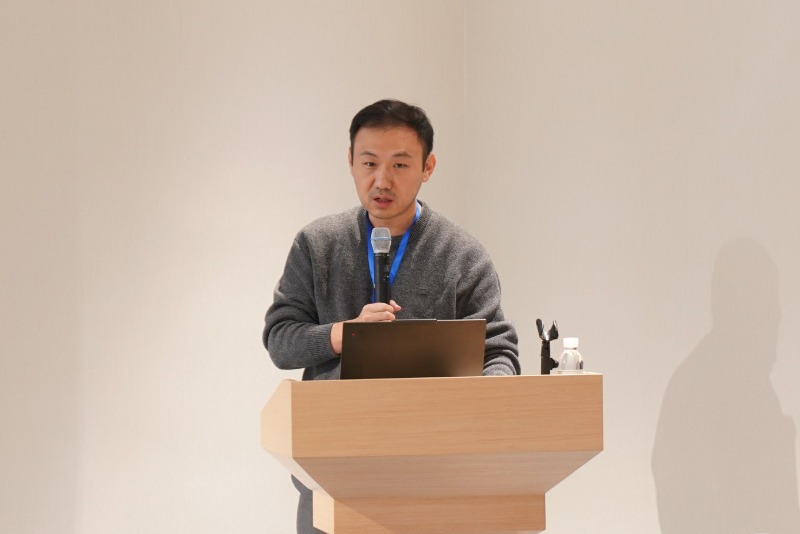
From November 6 to 8, 2026, the Samuel C. C. Ting Laboratory hosted the Frontiers Symposium on Thermal Science under Extreme Conditions. The symposium focused on heat and mass transfer mechanisms under extreme conditions, advanced thermophysical property measurement, microscale and nanoscale interfacial thermal transport, and advanced thermal management. It brought together leading experts and scholars from universities and research institutions across China to exchange recent research findings and discuss frontier issues in thermal science.
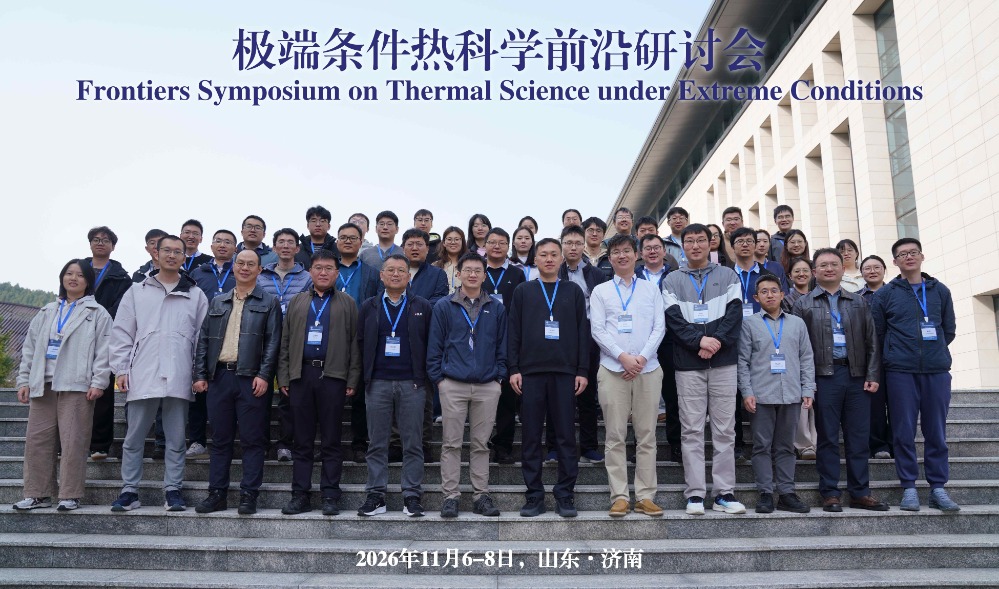
More than 40 experts and scholars attended the symposium. Participants came from Peking University, Tsinghua University, The Hong Kong University of Science and Technology, Hong Kong Microelectronics Research and Development Institute Co., Ltd., the University of Science and Technology of China, Tongji University, Wuhan University, Xi’an Jiaotong University, Shandong University, Southeast University, Jilin University, and other institutions. Through invited presentations and in-depth discussions, they shared the latest research advances and exchanged perspectives on key scientific questions and technical challenges in the field.
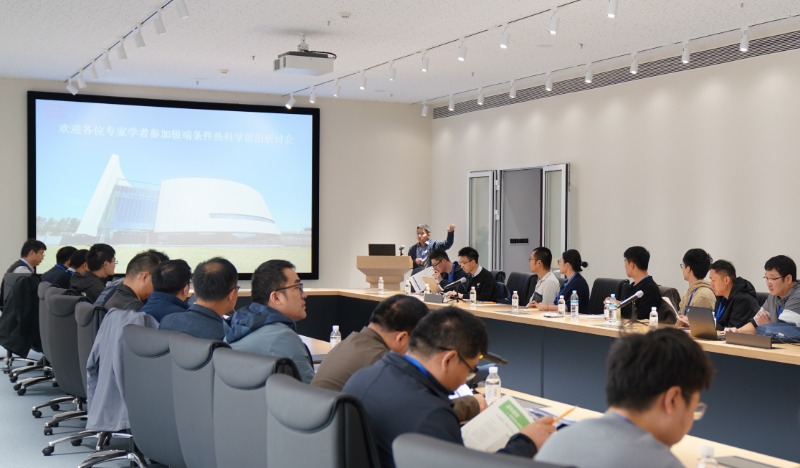 ,
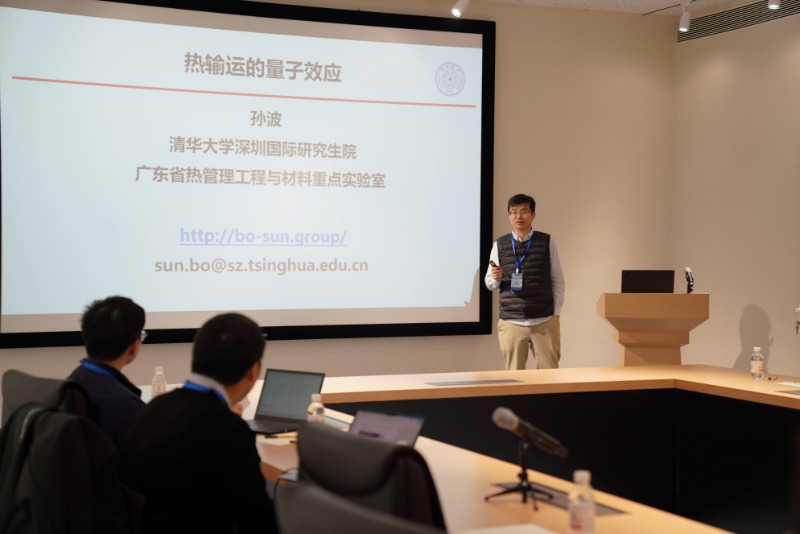
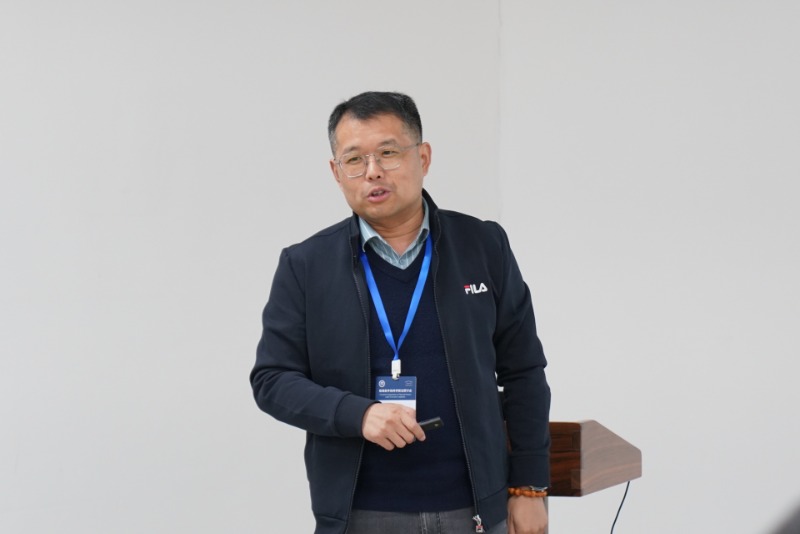 ,
 ,
 ,
 ,
 ,
During the symposium, participating experts and scholars visited the Precision Measurement Laboratory, Cryogenic Laboratory, AMS Global Data Center, Cryogenic Superconducting Precision Measurement Laboratory, and Advanced Semiconductor Detector Laboratory. The visits provided opportunities for extensive discussions on research infrastructure, experimental technology development, and potential research collaboration.
The symposium has not only facilitated academic exchanges among different research branches of thermal science under extreme conditions, but also further strengthened ties with relevant universities and research institutes. The Samuel C. C. Ting Laboratory will continue to will continue to address frontier scientific questions, build on its strengths in research infrastructure and experimental technologies, and promote broader academic exchange and research collaboration, thereby contributing to further advances in this discipline in the future.